Pilots and dispatchers often make FBO decisions under time pressure. Fuel price matters, but so do ramp access, operating hours, transportation, hangar availability, passenger amenities, crew support, and confidence that a request will be handled correctly.
An effective FBO marketing strategy makes those answers easy to find and gives customers a reason to remember the operation after departure. The goal is not to publish more generic airport content. It is to make the FBO easier to choose.
Draw the competitive landscape before buying ads
List the factors operators use to compare FBOs: fuel price, response speed, ramp capacity, hangar availability, ground transportation, crew amenities, passenger privacy, local access, and handling reliability. Then compare your operation honestly with nearby alternatives.
This resembles the Strategy Canvas from Blue Ocean Strategy. Its value is not the chart itself. It forces management to see whether the business is investing in the same factors as everyone else or has a credible point of divergence.
Use an eliminate-reduce-raise-create exercise:
- Eliminate outdated information and friction that forces crews to call for basic answers.
- Reduce generic claims and low-value posting that every competitor can copy.
- Raise response speed, operational clarity, real photography, and destination knowledge.
- Create useful trip-planning resources, partner coordination, or service packages competitors have not made easy to buy.
Begin with accurate decision-making information
Your website and business profiles should immediately communicate where you are, whom you serve, when you operate, and how to reach someone. Include current hours, frequencies, fuel types, parking and hangar information, available services, nearby transportation, and any meaningful operating considerations.
Avoid burying essential information inside a brochure or forcing visitors to call for every detail. A dispatcher comparing stops should be able to establish fit quickly.
Market the service experience
Many FBO websites present nearly identical lists of fuel, parking, lounges, and rental cars. Differentiation comes from showing how the operation performs. Highlight fast turns, advance coordination, ground transportation, passenger handling, local knowledge, maintenance relationships, and the people responsible for delivering the experience.
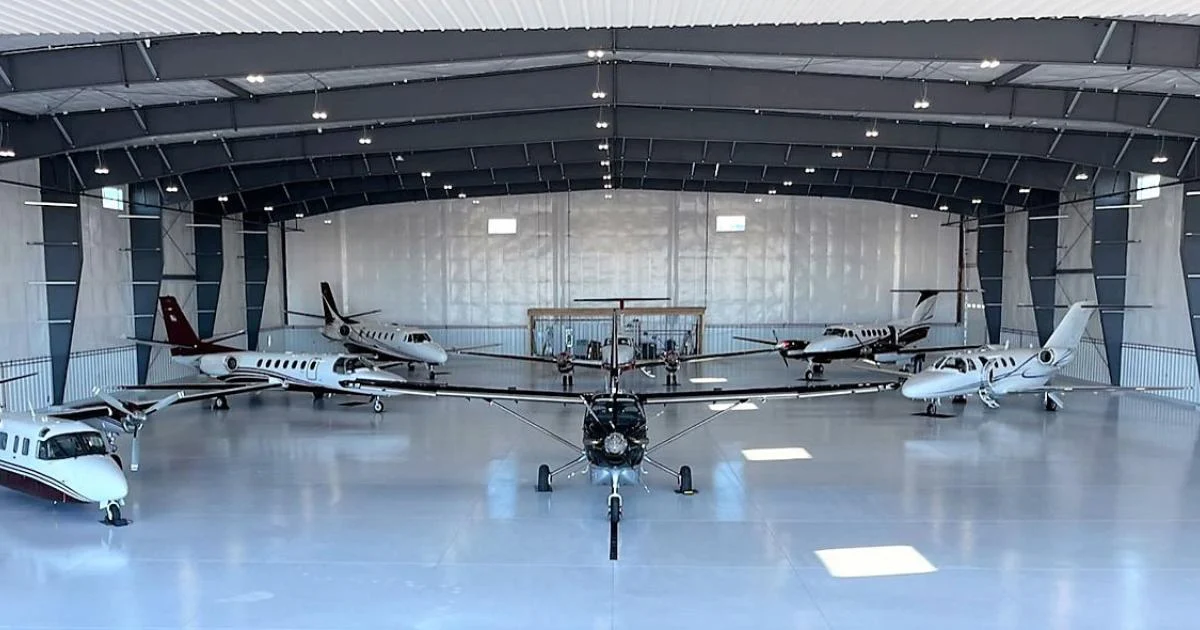
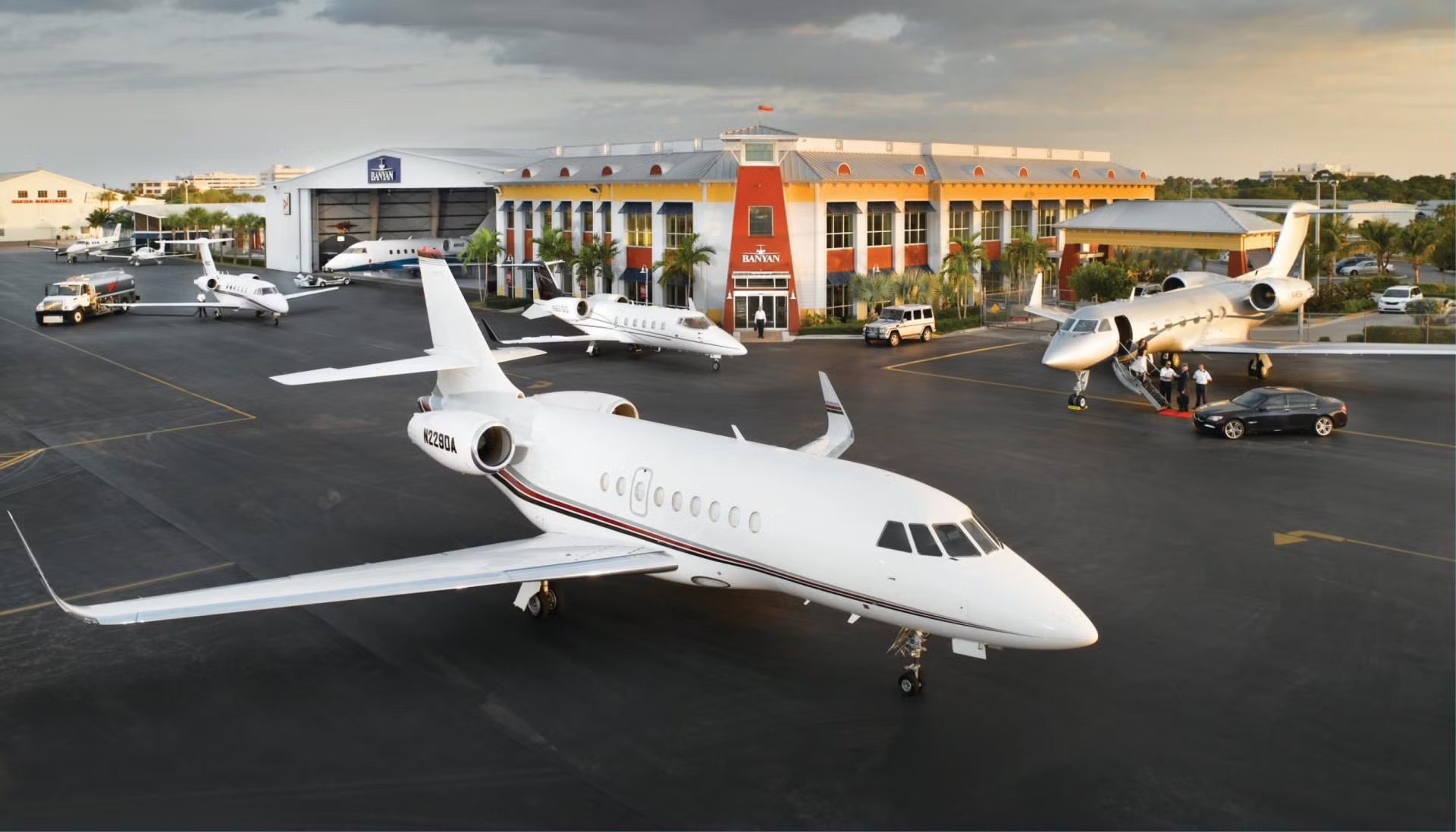
Real photography is especially important. Show the ramp, lobby, crew spaces, equipment, and staff. Customers are more likely to trust a facility they can visualize.
Build relationships beyond the transient visit
Not every customer should receive the same message. Segment communication for based tenants, transient pilots, charter operators, corporate flight departments, local aircraft owners, and special-event traffic.
Useful follow-up might include operational updates, seasonal planning information, new amenities, hangar availability, community events, or relevant destination guidance. Communication should be helpful enough to justify remaining in the customer's inbox.
Think carefully about the chain of buyers. The person purchasing fuel may not be the person selecting the stop, flying the aircraft, traveling in the cabin, or evaluating the relationship afterward. Dispatchers want dependable information. Pilots want efficient execution. Passengers want privacy and convenience. Aircraft owners and management companies want consistency. Strong FBO marketing gives each audience the proof it needs.
Use local content intelligently
An FBO is tied to a destination. Create useful content about airport access, major local events, ground transportation, nearby accommodations, seasonal weather considerations, and reasons operators use your airport rather than a larger alternative.
This content supports search visibility while also helping real customers plan a trip. Avoid producing dozens of nearly identical location pages. A smaller number of genuinely useful destination resources is more credible.
Connect marketing to operational performance
Marketing cannot compensate for unanswered calls, inconsistent service, or outdated information. Build a feedback loop between the front desk, line service, sales, and marketing. Common customer questions should shape website content. Positive service moments can become stories. Recurring complaints should be resolved operationally before being reframed promotionally.
Measure calls, handling requests, quote inquiries, website actions, return visits, and customer retention where possible. The goal is not simply greater traffic. It is more qualified arrivals and stronger repeat relationships.
Once one channel reliably generates valuable requests, improve and scale it before adding another. More activity is not automatically more growth. Predictability is the milestone: the team should know what produced the inquiry, what it cost, and whether it became profitable business.
MAX-G develops aviation-focused marketing and commercial strategies for FBOs and service providers. Contact MAX-G to discuss your operation.