A discovery flight is one of the most powerful products a flight school can offer. It turns an abstract interest in aviation into a personal experience. However, many schools market the flight as a standalone gift or sightseeing activity and leave enrollment to chance.
A discovery-flight marketing funnel connects the first advertisement to booking, the airport experience, and the next training decision. Its job is not simply to sell a flight. It should make the student’s larger goal feel more attainable, credible, timely, and manageable.
Use the value equation to remove hesitation
The prospect’s desired outcome may be a certificate, a career, personal freedom, or simply discovering whether flying feels right. Increase the perceived likelihood of success by showing real students, qualified instructors, clear milestones, and a professional operation. Reduce delay with immediate scheduling and an explicit next step. Reduce effort with clear directions, simple forms, and a short preparation guide.
This is more persuasive than cutting the price because it addresses why people hesitate in the first place.
Choose the intended customer
A career-oriented prospect, recreational learner, aviation enthusiast, and gift buyer respond to different motivations. One landing page can serve multiple audiences, but the message should recognize their goals.
Explain what the flight includes, how long the experience lasts, whether the participant may handle the controls, what to bring, any practical restrictions, and how the experience relates to future training. Clear expectations reduce hesitation and low-quality inquiries.
Create a focused landing page
Send advertising traffic to a dedicated discovery-flight page rather than a general homepage. Use authentic photos, a concise explanation, visible pricing where appropriate, frequently asked questions, instructor or school credibility, and one prominent booking action.
The booking process should work well on mobile devices. Every unnecessary field or unclear instruction creates another opportunity for the customer to leave.
Capture intent even when someone is not ready
Some prospects will want more information before purchasing. Offer a simple way to request a call, download a starter guide, or schedule a school tour. Record the source of each inquiry so you know whether search, social media, referrals, events, or paid advertising produces future students.
A strong lead magnet completely solves one narrow problem. Examples include a “10-Minute Flight Training Readiness Checklist,” a local training-cost planner, or a guide to the first five steps before beginning lessons. It should be useful enough to stand alone while naturally revealing the next question that the school is equipped to answer.
Design the on-site experience
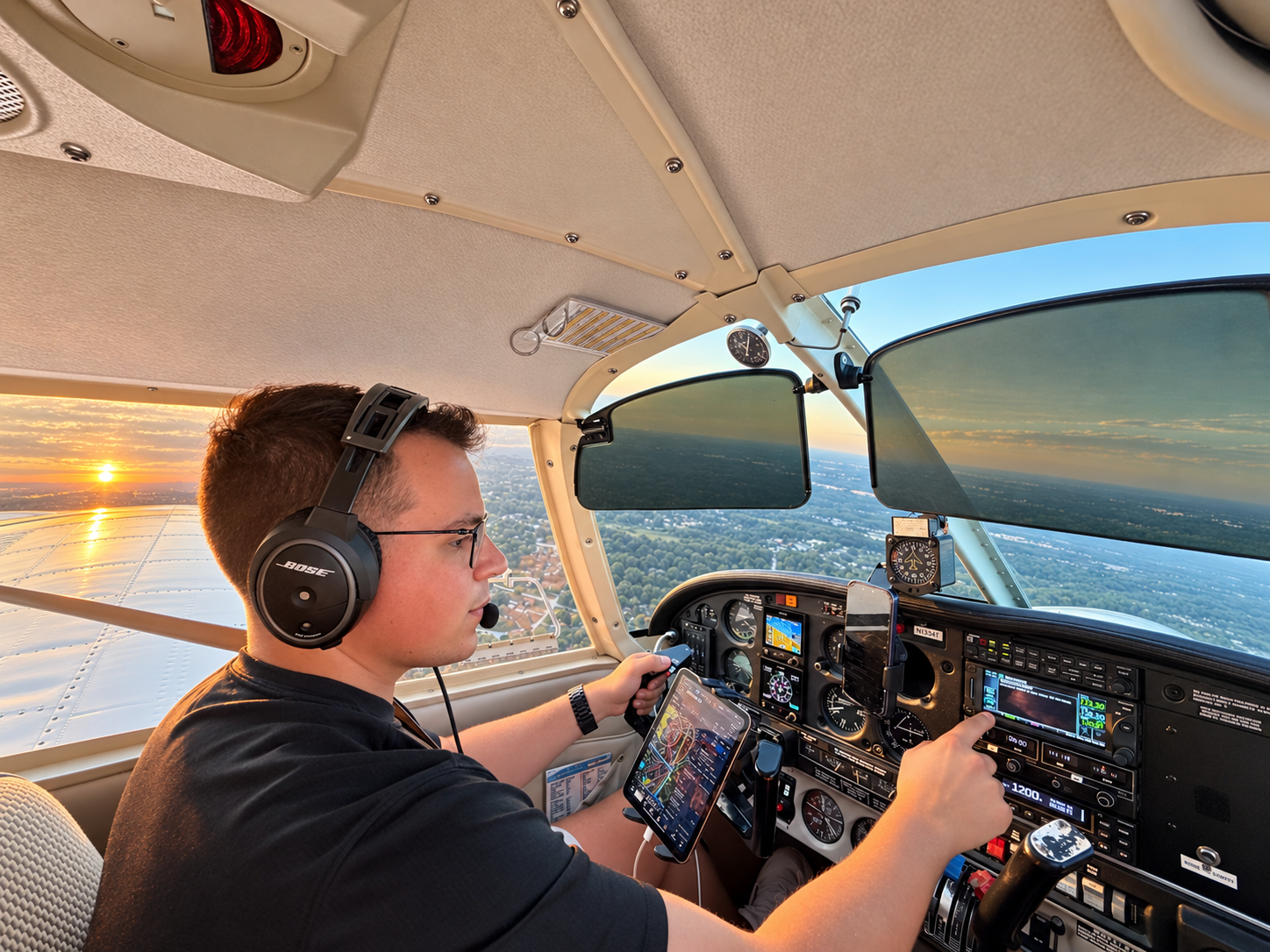
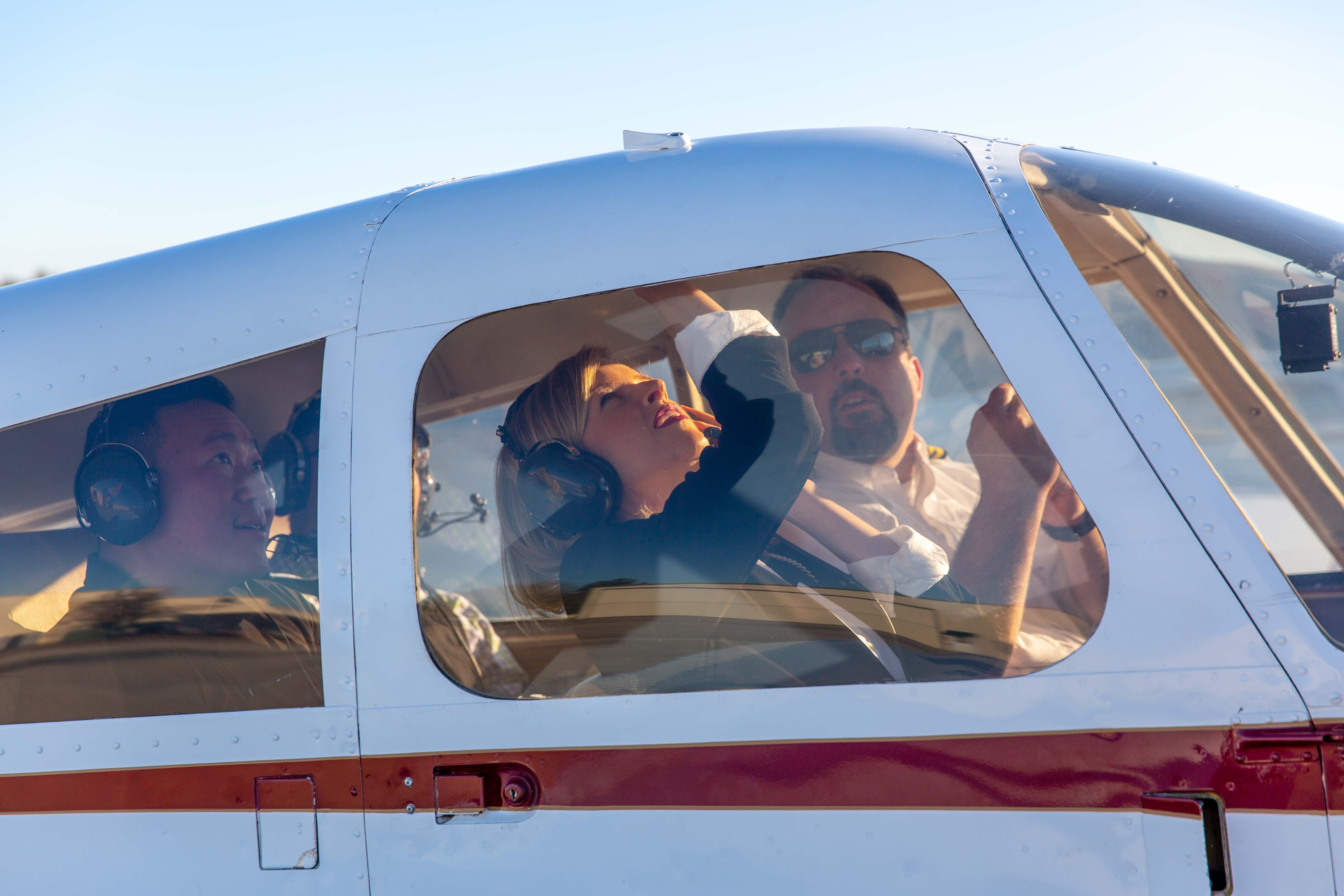
The visit begins before the aircraft moves. Give clear arrival instructions, introduce the instructor, explain the plan, and create appropriate opportunities for photographs. The experience should feel personal and organized without turning into an aggressive sales presentation.
At the end, explain the next step. Provide a training overview, enrollment contact, and a realistic invitation to schedule a lesson or consultation.
Follow up while the experience is fresh
Send a personalized message shortly after the flight. Include a photo if permission was granted, answer unresolved questions, and provide a direct enrollment path. A second follow-up can address common concerns such as scheduling, medical eligibility, financing, or career planning.
The sequence should use small, voluntary commitments. First request a booking. Then confirm preparation. After the flight, invite a training consultation or first lesson. Each step should feel like the logical continuation of a choice the prospect already made, without artificial countdowns or high-pressure closing.
Measure the complete funnel
Track page visits, booking completion, cost per booking, attendance, follow-up speed, lesson scheduling, enrollment, and continued activity. A campaign that sells many gift flights may perform differently from one that generates fewer flights but more committed students.
The discovery flight should be memorable on its own. When supported by an intentional funnel, it also becomes a measurable bridge between curiosity and enrollment.
Do not scale advertising until the offer and follow-up process convert warm traffic reasonably well. More traffic sent into a broken booking experience only creates more waste. Fix the offer, then improve one channel, then expand.
MAX-G helps flight schools develop enrollment campaigns that connect aviation experiences to commercial outcomes. Contact MAX-G to discuss your discovery-flight strategy.